Source Sanitary Steam Ball Valve for Dairy, Food, and Pharma
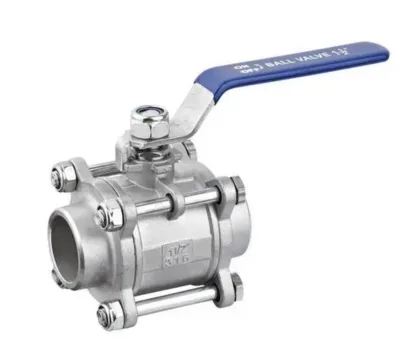
Find and compare 30 sanitary steam ball valve options for dairy, food, beverage, and pharmaceutical applications. These valves feature stainless steel construction with PTFE seals, available in manual, pneumatic, or electric driving modes to suit industrial and household usage needs.
Key considerations
Products List




Comprehensive Sourcing Guide
Sanitary Steam Ball Valve Sourcing Guide
Procuring sanitary steam ball valves requires a precise understanding of the specific operational environment, as these components must withstand high temperatures and pressures while maintaining strict hygiene standards. Buyers must distinguish between manual and pneumatic driving modes, as the selection directly impacts automation capabilities and maintenance requirements in industrial settings. The observed market data indicates a diverse range of connection forms, including flange, clamp, and thread options, which necessitates careful alignment with existing piping infrastructure to ensure a leak-free seal.
The material composition is equally critical, with stainless steel serving as the industry standard for durability and corrosion resistance in steam applications. Sourcing teams should verify that the seal materials, such as PTFE or EPDM, are compatible with the specific media and temperature ranges expected in the process. Additionally, the structural design, whether fixed or flexible ball valve, dictates the valve's longevity and resistance to thermal expansion, making it a primary factor in preventing premature failure during continuous steam cycles.
Product Scope and Observed Listing Signals
The current market listings reveal a broad spectrum of product models, ranging from specific identifiers like DY-1826296591 to series such as VQC110S1 and VQW110S1, each tailored for distinct industrial needs. Buyers should note that size specifications vary significantly, with options spanning from 1/2" to 4" and DN10 to DN100, requiring a detailed audit of the facility's piping dimensions before placing an order. The presence of both straight-through and tee-type channel configurations suggests that the procurement strategy must account for complex flow routing requirements in dairy, food, and beverage processing lines.
Observations of the product scope also highlight a clear segmentation between general industrial usage and specialized applications in water treatment or pharmaceutical sectors. The availability of customization options allows buyers to adapt standard units to unique process constraints, yet this flexibility often introduces variability in lead times and pricing structures. It is essential to scrutinize the packing methods, which range from standard cartons to heavy-duty wooden cases, to ensure that the valves arrive without damage during transit, particularly when shipping from manufacturing hubs in Wenzhou, Zhejiang.
Technical Specifications to Verify
Technical verification must begin with the maximum working pressure and temperature ratings, as steam systems operate under conditions that can exceed standard atmospheric limits. The observed data points to a maximum working pressure of 30 bar and a temperature tolerance up to 180 degrees Celsius, but buyers must confirm that these limits apply to the specific model selected for their high-pressure steam lines. Relying on generic specifications without validating the exact model's rating against the plant's operational parameters can lead to catastrophic seal failures or valve deformation under thermal stress.
The connection form and assembly type are equally vital technical parameters that dictate installation feasibility and system integrity. Whether the valve utilizes a clamp, flange, or threaded connection, the interface must match the existing tank bottom or piping assembly to prevent leakage. Furthermore, the actuator type, which may be manual, pneumatic, or electric, must be compatible with the control system architecture. Buyers should explicitly verify the gasket material, ensuring it is PTFE, EPDM, or silicone as required, to maintain a sanitary seal that prevents contamination during steam sterilization cycles.
Compliance and Safety Documentation
Regulatory compliance is non-negotiable in sanitary applications, particularly for industries handling food, beverage, and pharmaceutical products where contamination risks are paramount. The observed listings frequently cite certifications such as FDA, CE, and 3A, which serve as critical indicators of a manufacturer's adherence to international safety and hygiene standards. Procurement teams must request and validate these certificates for every batch of valves, ensuring that the documentation is current and specifically covers the materials used in the valve body and seals.
Beyond product-specific certifications, the manufacturing standards themselves, including ISO, DIN, SMS, and SGS, provide a framework for quality assurance that buyers should demand in their supplier agreements. These standards govern everything from the welding quality of the stainless steel body to the surface finish required for cleanability. Buyers must verify that the supplier's quality management system is certified and that the production process includes rigorous testing to ensure the valves meet the stringent requirements of sanitary steam applications without introducing foreign materials or particulates.
Cost Drivers and Commercial Terms
The commercial landscape for sanitary steam ball valves is influenced by a wide range of factors, including the observed price variance from 1 to 820 USD, which reflects differences in material quality, size, and actuation complexity. Buyers should understand that lower-priced units often correspond to smaller sizes or manual operation, while larger, pneumatically actuated valves with specialized certifications command a premium. It is crucial to analyze the total cost of ownership rather than just the unit price, considering the potential costs of downtime, maintenance, and replacement if a cheaper valve fails to meet the rigorous demands of steam service.
Minimum Order Quantities (MOQ) and delivery timelines also play a significant role in the financial planning of a procurement project. The market data indicates MOQs ranging from 1 to 2000 units, with delivery times typically spanning 10 to 15 days, though customization can extend these periods. Procurement managers must negotiate terms that align with their production schedules, balancing the need for immediate stock against the benefits of bulk ordering. Clear agreements on packaging, such as carton versus wooden case, are also necessary to avoid unexpected logistics costs and ensure the valves are protected during international shipping.
Supplier Qualification and Quality Control
Selecting a qualified supplier requires a deep dive into their manufacturing capabilities and quality control protocols, particularly for components that operate in high-temperature steam environments. Buyers should prioritize suppliers located in established industrial hubs like Wenzhou, Zhejiang, where a concentration of expertise in sanitary valve manufacturing exists. It is essential to verify that the supplier has a proven track record of producing valves that meet the specific application scopes of dairy, food, and beverage industries, as general industrial valves may not suffice for sanitary requirements.
Quality control processes must be transparent and rigorous, extending from raw material inspection to final product testing. Buyers should request evidence of the supplier's ability to produce valves with consistent surface finishes and precise dimensional tolerances, which are critical for maintaining sanitary conditions. The presence of certifications like ISO/CE/FDA is a baseline requirement, but suppliers must also demonstrate their capacity for continuous improvement and their ability to handle custom orders without compromising on the structural integrity or sealing performance of the ball valve.
Long-Term Procurement Checks
Establishing a long-term procurement strategy involves regular audits of supplier performance and product consistency to ensure ongoing compliance with safety and quality standards. Buyers should implement a schedule for periodic re-verification of certifications and material specifications, as regulatory requirements and industry standards can evolve over time. This proactive approach helps mitigate the risk of supply chain disruptions and ensures that the sanitary steam ball valves continue to meet the stringent demands of the production environment.
Furthermore, maintaining a robust relationship with the supplier is key to securing favorable terms and priority support during critical periods. Buyers should engage in regular reviews of delivery times, defect rates, and responsiveness to technical inquiries to identify any potential issues before they impact operations. By fostering a collaborative partnership, procurement teams can ensure a steady supply of high-quality valves that support the efficiency and safety of their industrial processes, ultimately safeguarding the integrity of their products and brand reputation.
FAQs
What certifications are available for sanitary steam ball valves?
Listed sanitary ball valves carry certifications including FDA, CE, 3A, and ISO, depending on the specific model. These credentials support use in dairy, food, beverage, and pharmaceutical applications. Buyers should confirm which certificate applies to the exact model and request documentation from the supplier before placing an order.
What sizes and connections can sanitary steam ball valves be supplied in?
Available sizes span 1/2 inch to 4 inch and DN10 to DN100, with some models covering DN40 to DN80. Connection options include clamped, threaded, welded, and flanged ends. Buyers should match the connection form to existing piping and confirm the selected size is offered in the desired connection type.
Can sanitary steam ball valves be customized for specific applications?
Yes, customization is available for listed models. Options may include actuation mode such as manual, pneumatic, or electric, gasket materials like PTFE, EPDM, or silicone, and connection style. Buyers should describe their media, temperature range, and installation requirements so the manufacturer can confirm feasibility before quoting.
What pressure and temperature ratings do these ball valves have?
Listed models support a maximum working pressure of 30 bar and a maximum working temperature of 180 degrees Celsius, with PTFE seals. Actual ratings vary by model, seal material, and media. Buyers should verify the rating of the specific valve selected and allow a safety margin for steam or hot water service.
What is the typical delivery time for sanitary ball valve orders?
The listed delivery time is 10 to 15 days, though actual lead time depends on order quantity, customization level, and production scheduling. Standard catalog items in common sizes typically ship faster than customized configurations. Buyers should confirm the current lead time with the supplier before committing to a project timeline.
Which seal and gasket materials are offered for sanitary ball valves?
PTFE is the standard seal and gasket material on listed models, with EPDM and silicone available on some configurations. PTFE suits high-temperature and chemically demanding service, while EPDM and silicone fit specific food and pharmaceutical processes. Buyers should select the material compatible with their media, cleaning agents, and operating temperature.
How are sanitary ball valves packed for shipment?
Packing options include cartons for smaller orders and wooden cases or plywood cases for larger shipments, with standard exporting packaging also used. Export-grade packing protects machined surfaces and seals during long transit. Buyers with special packaging or labeling requirements should state them in the inquiry so the factory can confirm arrangements.
Which applications are these sanitary steam ball valves suitable for?
Listed valves are designed for dairy, food, beverage, and pharmaceutical applications, as well as household, industrial, and water industry usage. They handle water media at normal temperatures, with some models rated for higher temperatures. Buyers should confirm material contact surfaces, seals, and certifications match the hygiene requirements of their process line.